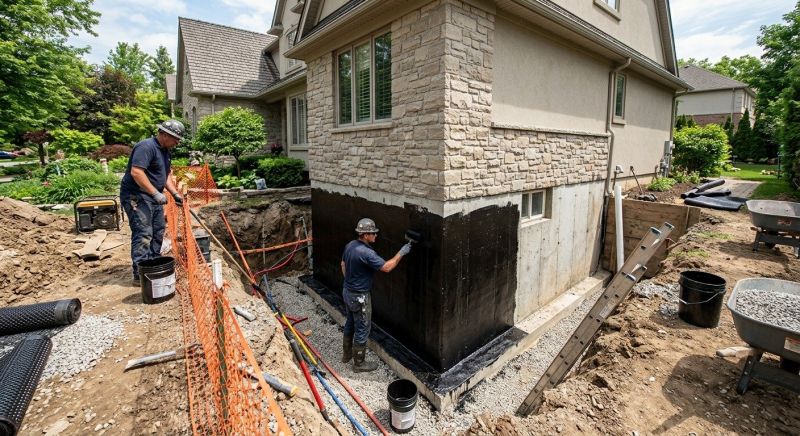
Basement Concrete Sealing in Birmingham, AL
Basement concrete sealing is a service that involves applying a protective coating to the interior or exterior surfaces of basement concrete walls and floors. This process helps prevent moisture infiltration, reduces the risk of mold growth, and minimizes cracking caused by temperature fluctuations or soil movement. Property owners often request basement sealing for projects such as waterproofing basement walls, preparing a space for finishing, or maintaining the integrity of existing concrete structures. Understanding the type of sealant used, the scope of coverage, and the expected durability can help homeowners make informed decisions before requesting this service.
Before requesting basement concrete sealing, property owners typically want to know about the suitability of their existing concrete for sealing and whether any repairs are needed beforehand. It is also helpful to understand the differences between sealant options, such as penetrating versus coating sealants, and how each performs in damp or humid environments common in basements. Proper surface preparation, including cleaning and repairing cracks, is essential for optimal results. Clarifying these details can ensure the sealing process effectively protects the basement and extends the lifespan of the concrete surfaces.
Many property owners in Birmingham, AL look into Basement Concrete Sealing for repairs, replacements, upgrades, and appearance-related improvements.
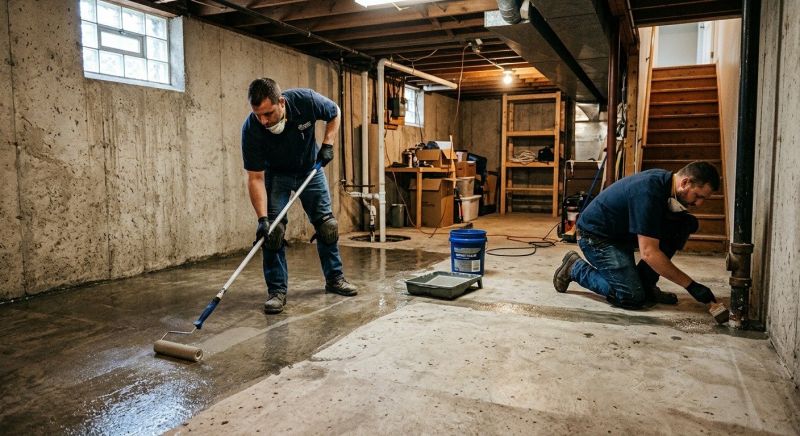
Benefits Of Basement Sealing
Sealing helps prevent moisture intrusion and protects your basement from water damage.
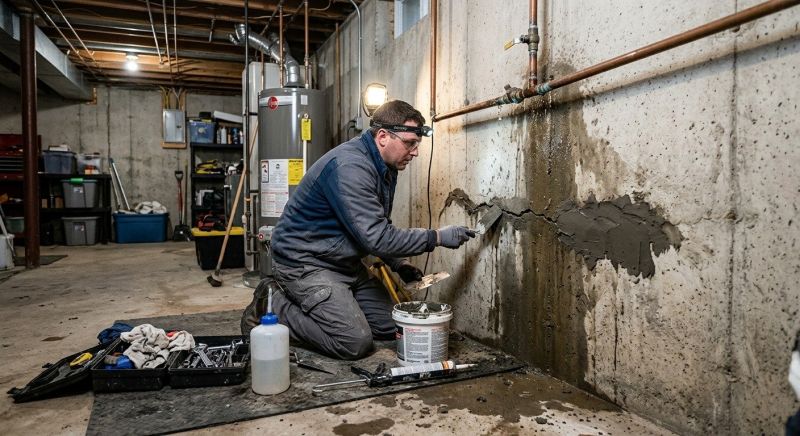
Common Sealing Projects
Basement sealing is often used to improve indoor air quality and reduce mold growth in birmingham homes.
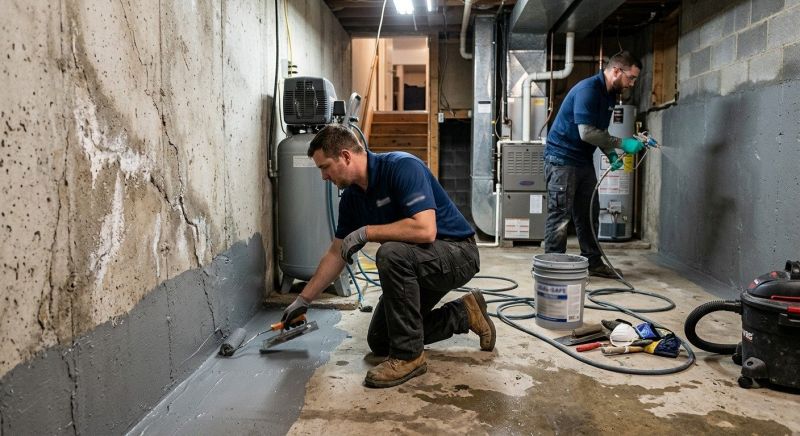
Choosing The Right Sealant
Different sealants are available to address specific basement conditions and ensure long-lasting protection.
Basement Concrete Sealing in Birmingham, AL

Basement concrete sealing is a service that involves applying a protective coating to the interior or exterior surfaces of basement concrete walls and floors. This process helps prevent moisture infiltration, reduces the risk of mold growth, and minimizes cracking caused by temperature fluctuations or soil movement. Property owners often request basement sealing for projects such as waterproofing basement walls, preparing a space for finishing, or maintaining the integrity of existing concrete structures. Understanding the type of sealant used, the scope of coverage, and the expected durability can help homeowners make informed decisions before requesting this service.
Before requesting basement concrete sealing, property owners typically want to know about the suitability of their existing concrete for sealing and whether any repairs are needed beforehand. It is also helpful to understand the differences between sealant options, such as penetrating versus coating sealants, and how each performs in damp or humid environments common in basements. Proper surface preparation, including cleaning and repairing cracks, is essential for optimal results. Clarifying these details can ensure the sealing process effectively protects the basement and extends the lifespan of the concrete surfaces.
Many property owners in Birmingham, AL look into Basement Concrete Sealing for repairs, replacements, upgrades, and appearance-related improvements.
Common Basement Concrete Sealing Jobs
Basement floor sealing - helps prevent water seepage and reduces moisture buildup in underground spaces.
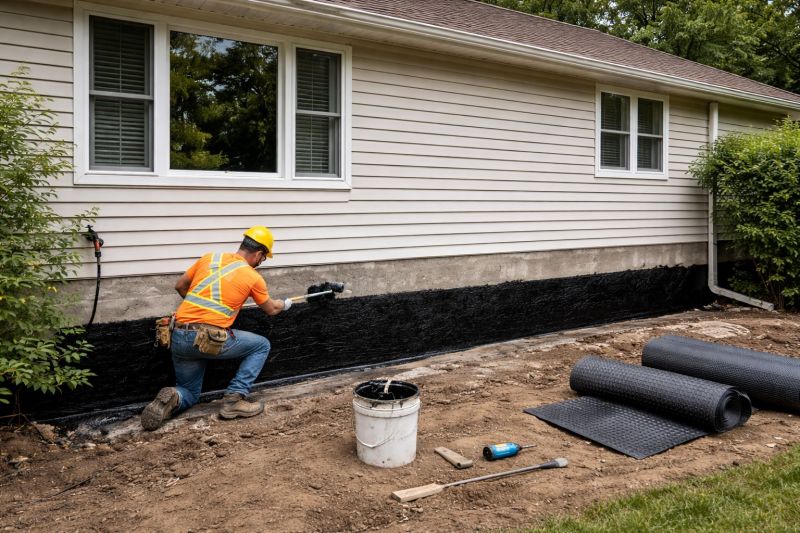
Foundation sealing - protects basement walls from cracks and water infiltration that can cause damage.
Crawl space sealing - minimizes humidity and prevents mold growth in accessible basement areas.
Garage basement sealing - creates a moisture barrier to protect stored items and structural integrity.
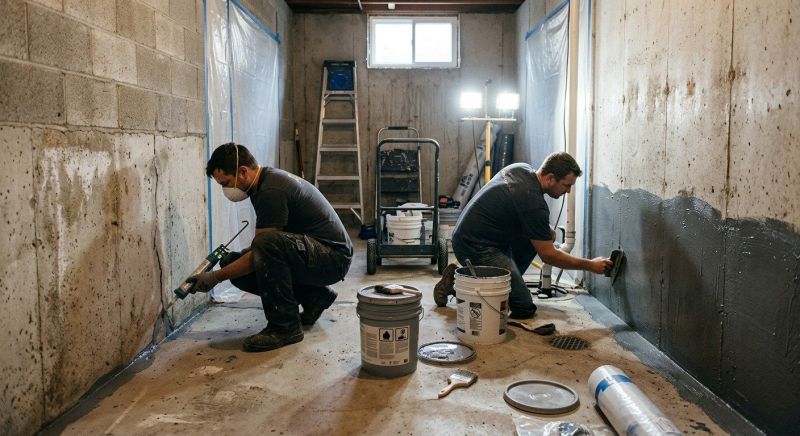
Concrete sealing for basement walls - enhances durability and resists staining from spills or leaks.
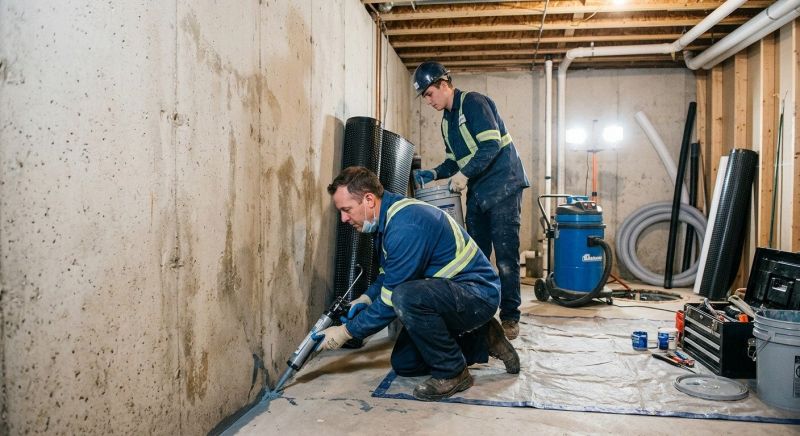
Interior basement sealing - maintains a dry and healthy environment by blocking out dampness and odors.
Basement Concrete Sealing Questions
What is basement concrete sealing? It is a process that applies a protective coating to basement floors and walls to prevent moisture penetration and damage.
Why should homeowners consider sealing their basement concrete? Sealing helps reduce water infiltration, minimizes mold growth, and extends the lifespan of the concrete surfaces.
What types of basement projects benefit from concrete sealing? Sealing is ideal for basements prone to dampness, flooding, or high humidity, as well as those with visible cracks or stains.
How often should basement concrete be resealed? Generally, resealing every few years maintains optimal protection, depending on the level of exposure and wear.
Request Basement Concrete Sealing in Birmingham, AL
Use the quote form on this page to share the basics of your project and request more information for the type of work you need.